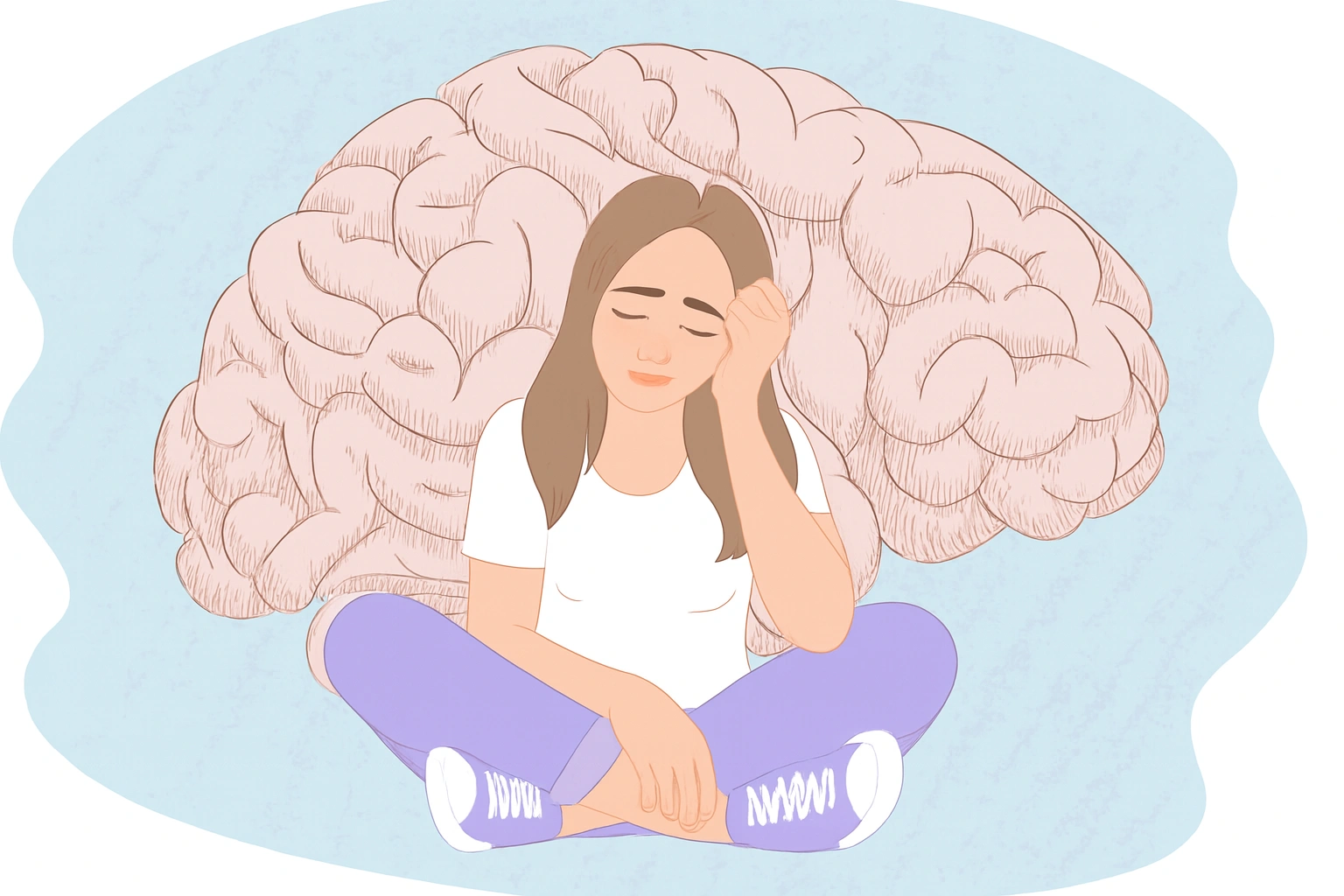
A panic attack is when your brain suddenly switches into “fight, flight, or freeze” mode, even if there’s no real danger threatening your safety. This happens as every brain has a built‑in survival system that’s designed to protect you (like a smoke alarm). When that system gets activated too strongly or too quickly, it can send signals through your body that feel really intense or scary. Lots of people describe a panic attack like a feeling of dying or there heart ending.
Common things people notice during a panic attack:
- breathing feels harder or faster,
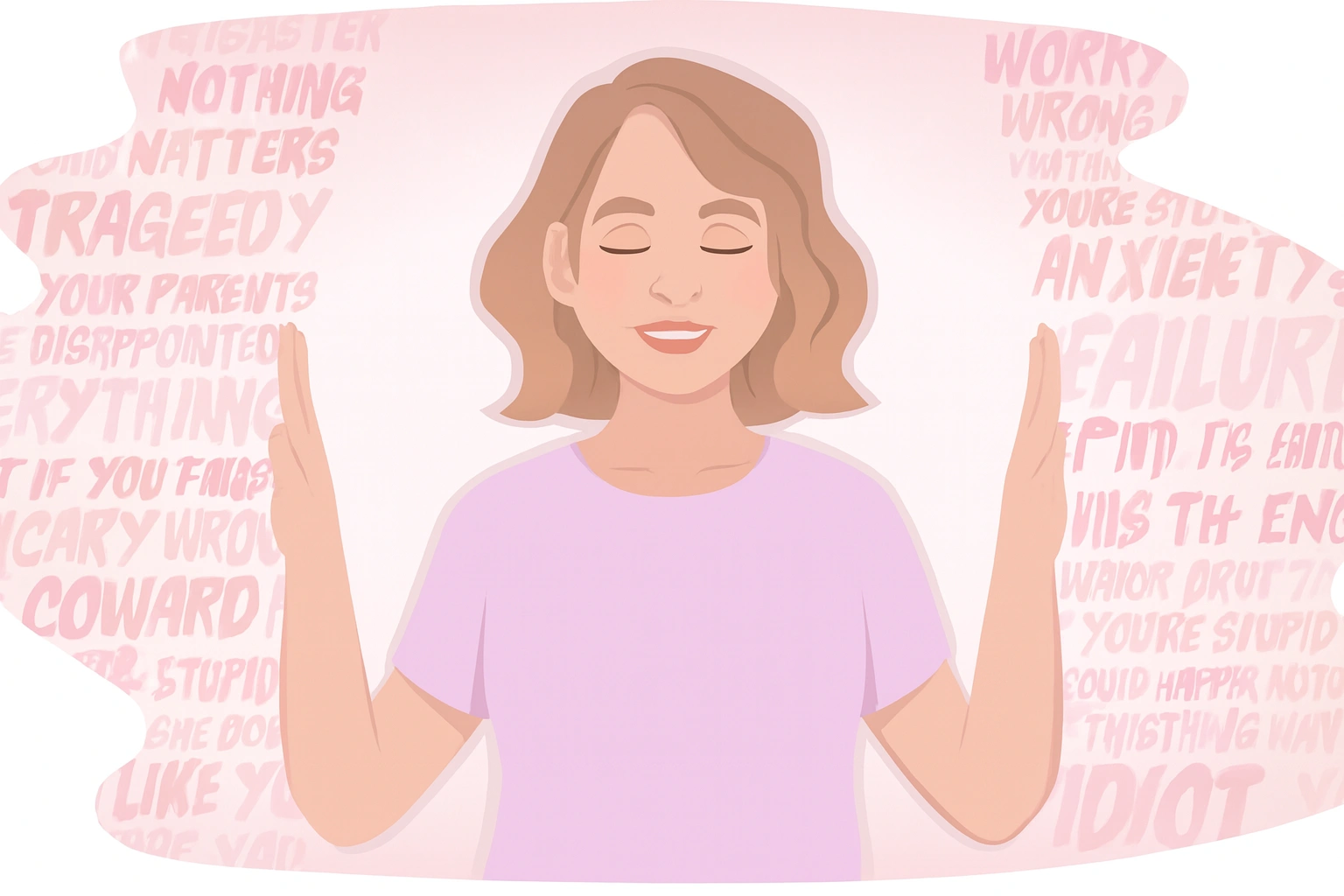
- thoughts feel loud, rushed, or out of control,
- heart racing or pounding,
- feeling sick in the stomach,
- feeling hot, shaky, dizzy, or sweaty,
These reactions are the effects of your brain’s alarm system going off!
Your Brain’s “Smoke Alarm”
The video below explains this really well. It shows how the “emotional brain” can sometimes mistake normal situations as threats. It’s kind of like when a smoke alarm goes off just because you burnt your toast — annoying, but it’s only trying to protect you.
Your brain works the same way. When it senses stress, it can set off the alarm even when you’re actually safe. Understanding this is the first step in feeling more in control.
Watch the video:
Kids Helpline – Brain Basics on Anxiety
https://www.youtube.com/watch?v=LB0NLJjVYJo
Strategies to Help Calm the Alarm
Turning off the brain’s “smoke alarm” takes practice, patience, and trying different things to see what works for you. Most people find it helps to calm their body first, because that sends a message back to the brain that things are okay.
Here are some ideas you can try:
Body & Breathing
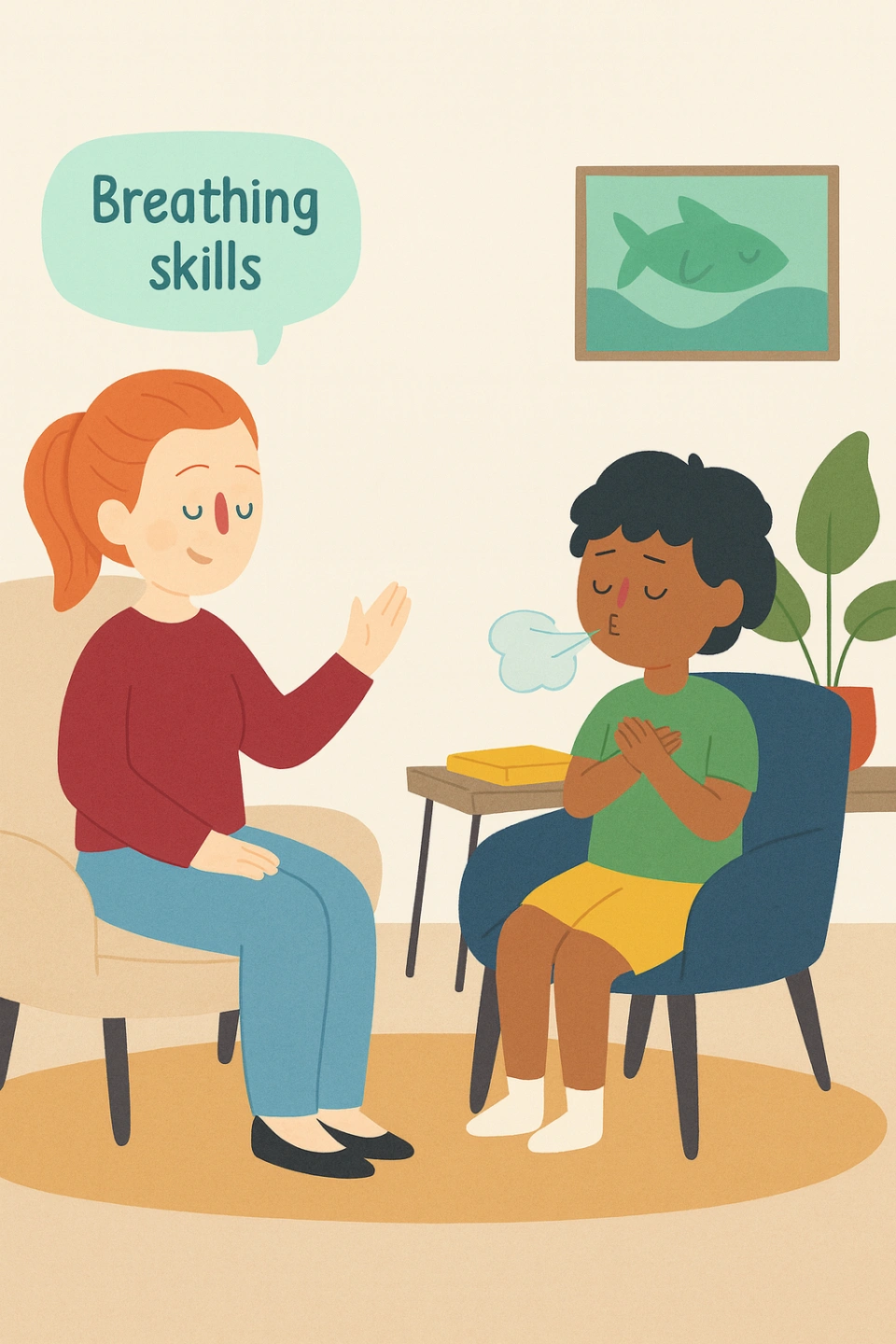
- slow, steady breathing
- grounding yourself (feel your feet on the floor, notice sounds around you)
- anchoring to the present moment (“Right now I am ___. I can see ___.”)
- calming self‑talk (“I’m safe. This will pass.”)
Mind & Emotions
- visualisation (imagining a safe place or calming scene)
- thought‑diffusion (noticing thoughts without getting pulled into them)
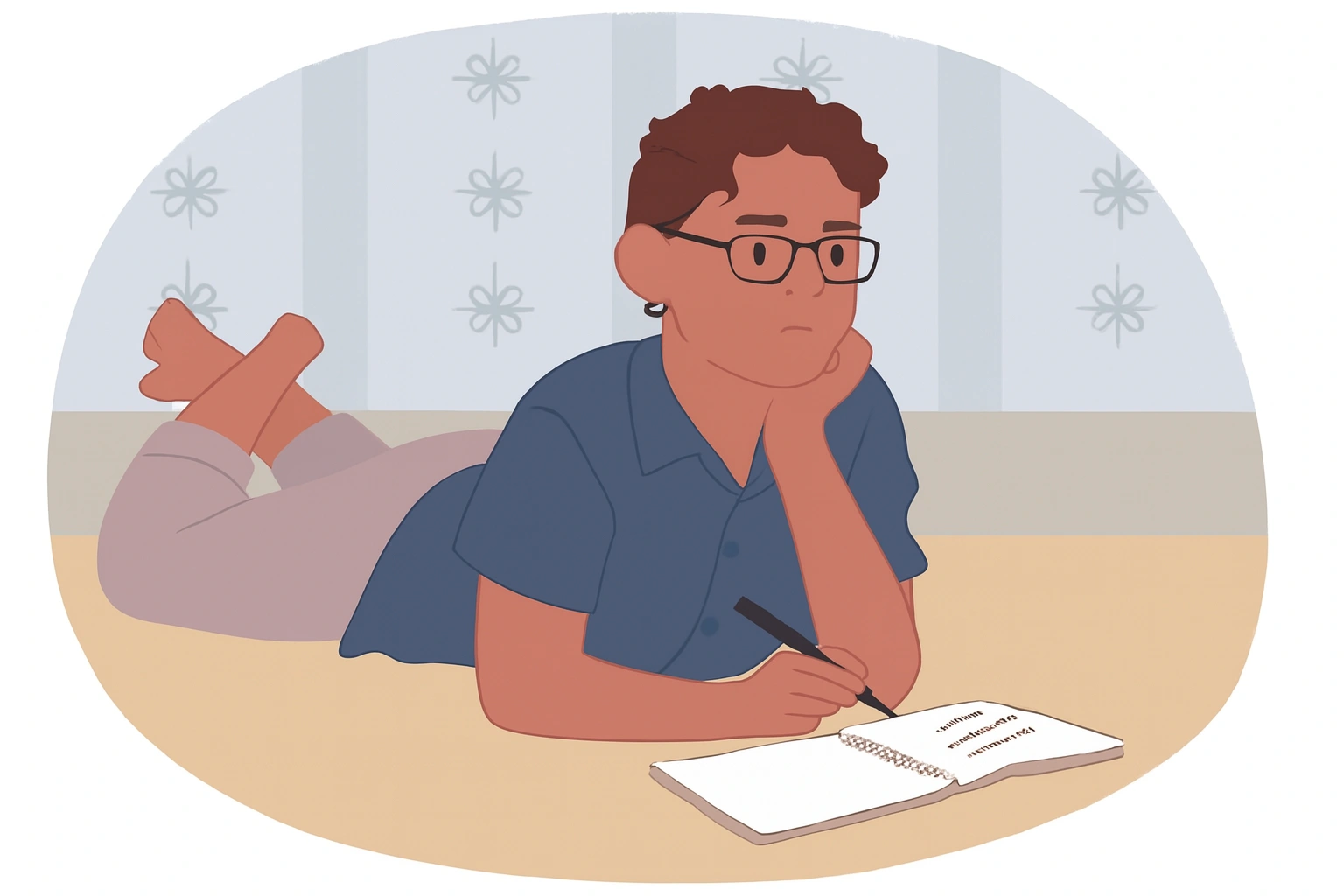
- journalling when calm to release worries
- talking to someone you trust to reduce shame or fear
Changing the Channel in Your Brain: TIPP Skills
These DBT strategies help your body shift out of panic mode and turn off the 'smoke alarm':
T = Temperature
Cool your body down to interrupt the panic response:
- hold ice
- drink cold water
- splash cold water on your face
- hot/cold shower
- eat something spicy, sour, or minty
I = Intense Exercise
Move your body to burn off the adrenaline:
- star jumps
- running on the spot
- going up and down stairs
P = Paced Breathing
Slow, controlled breathing helps your brain switch out of survival mode.
P = Pressure
Deep pressure can help your body feel grounded:
- weighted blanket
- lying under blankets
- a hug
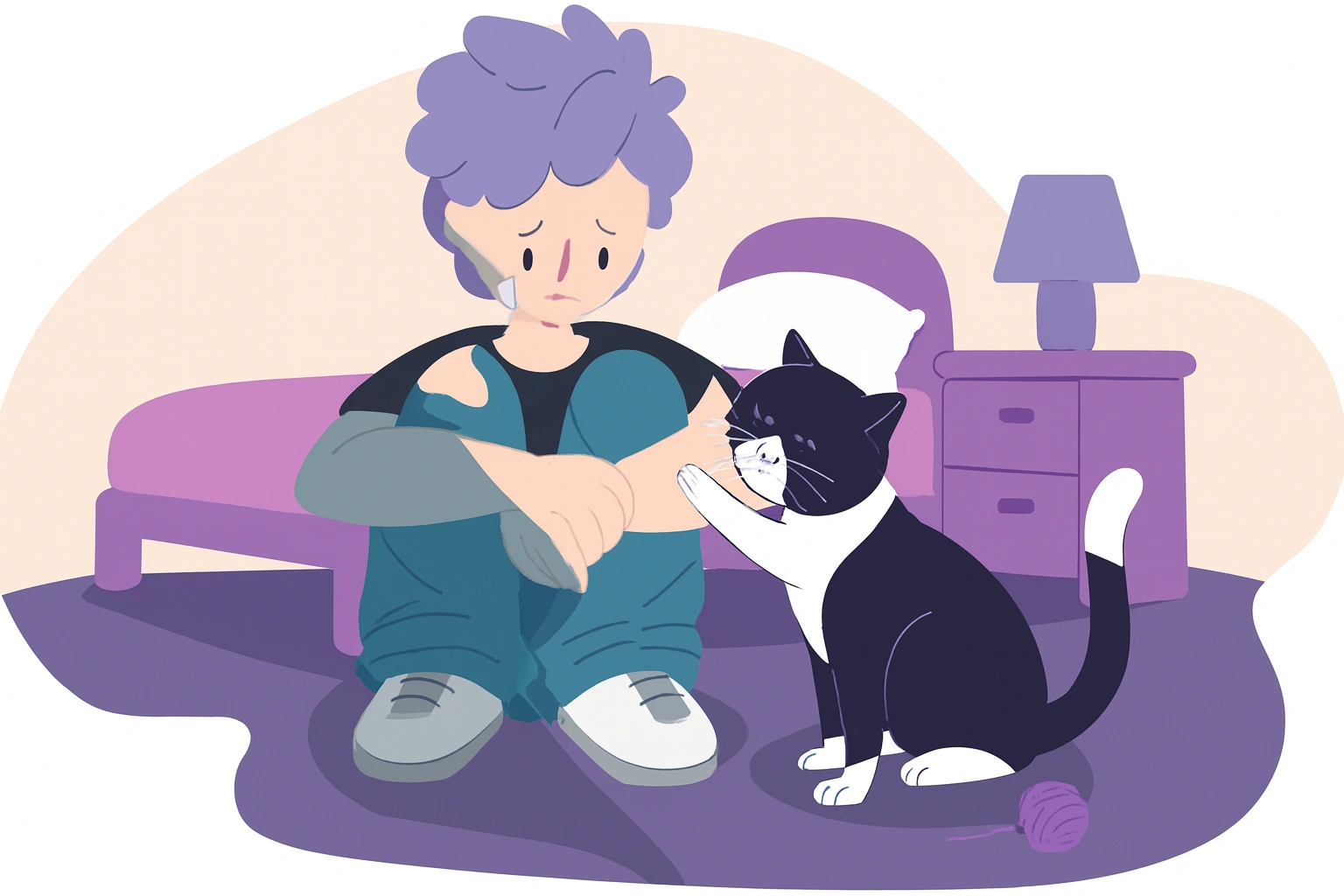
- cuddling a pet